What is James Hardie Siding? What About its Benefits?
If you could cover your home in cement for the ultimate in protection, would you? Luckily, you don’t have to. James Hardie siding is a blend of cement, sand, and cellulose fibres that creates an incredibly tough, long-lasting exterior. Yes, it’s really made of cement, and you may hear it referred to as concrete siding.
Just like other popular choices like vinyl siding and metal, the panels install easily. And as you might expect with something as substantial as cement, this siding will effortlessly deal with everything the Calgary weather can throw its way.
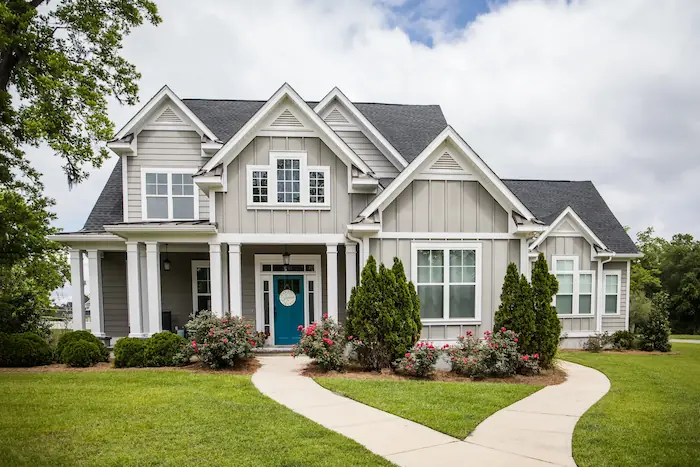
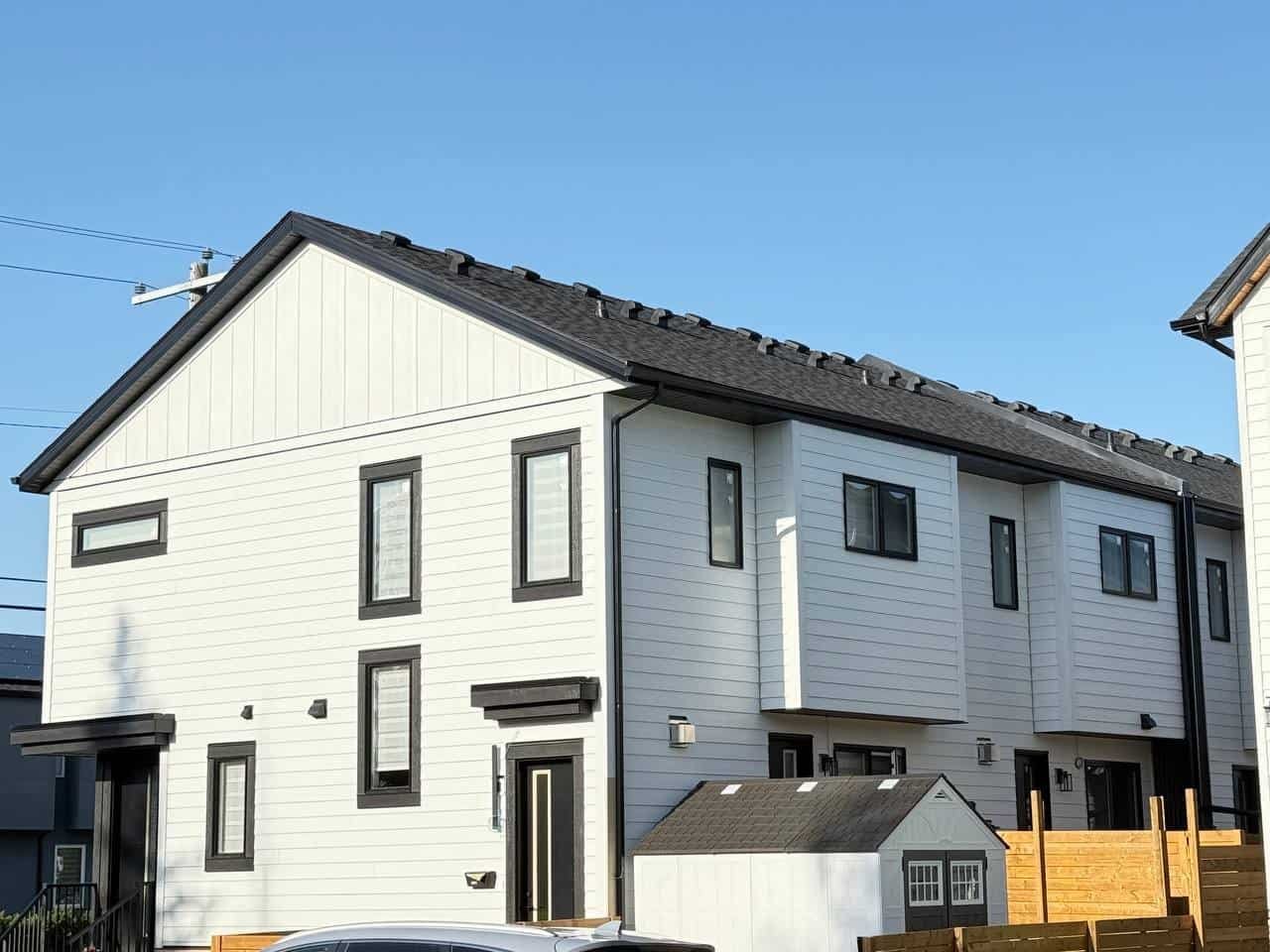
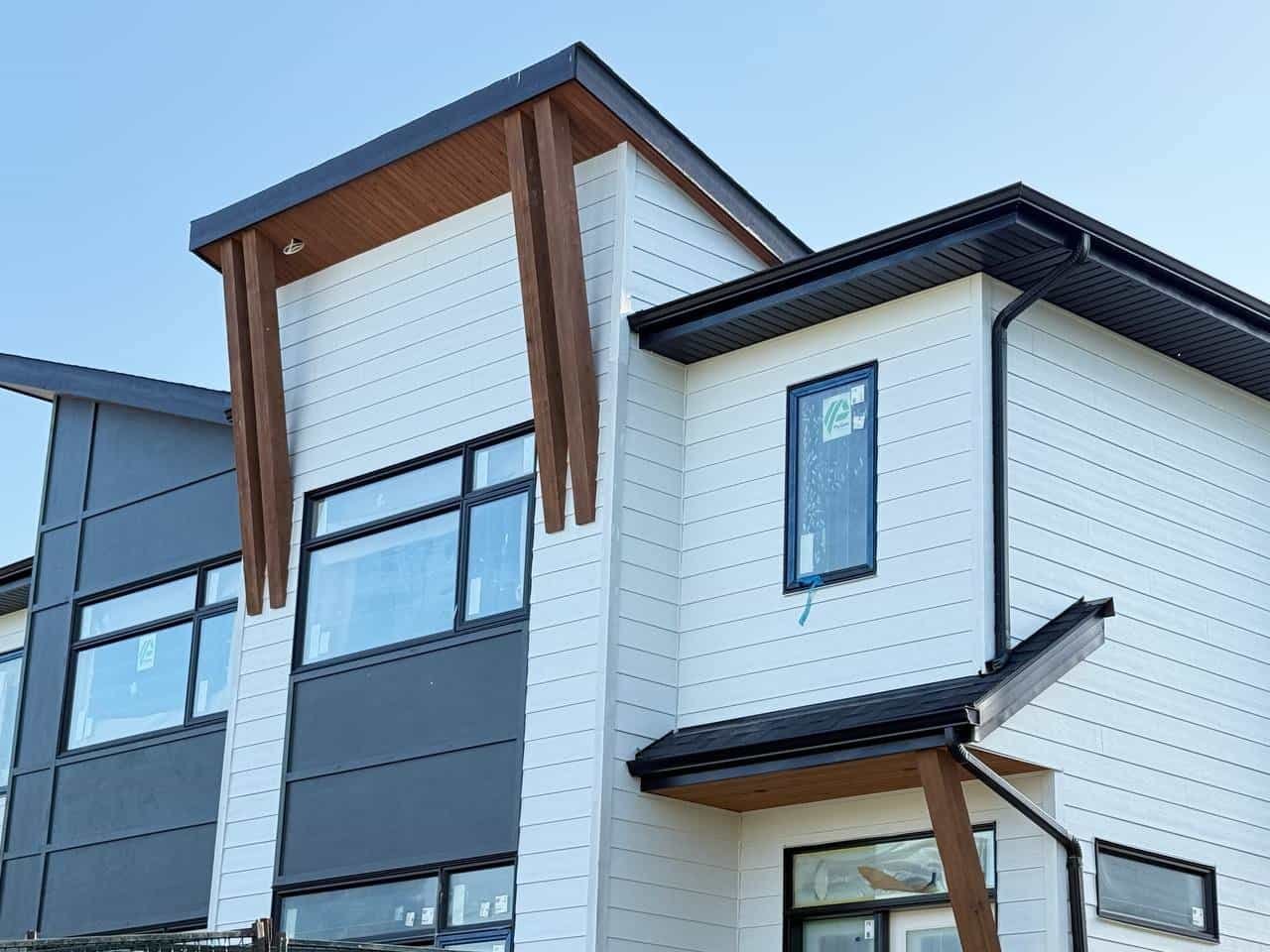
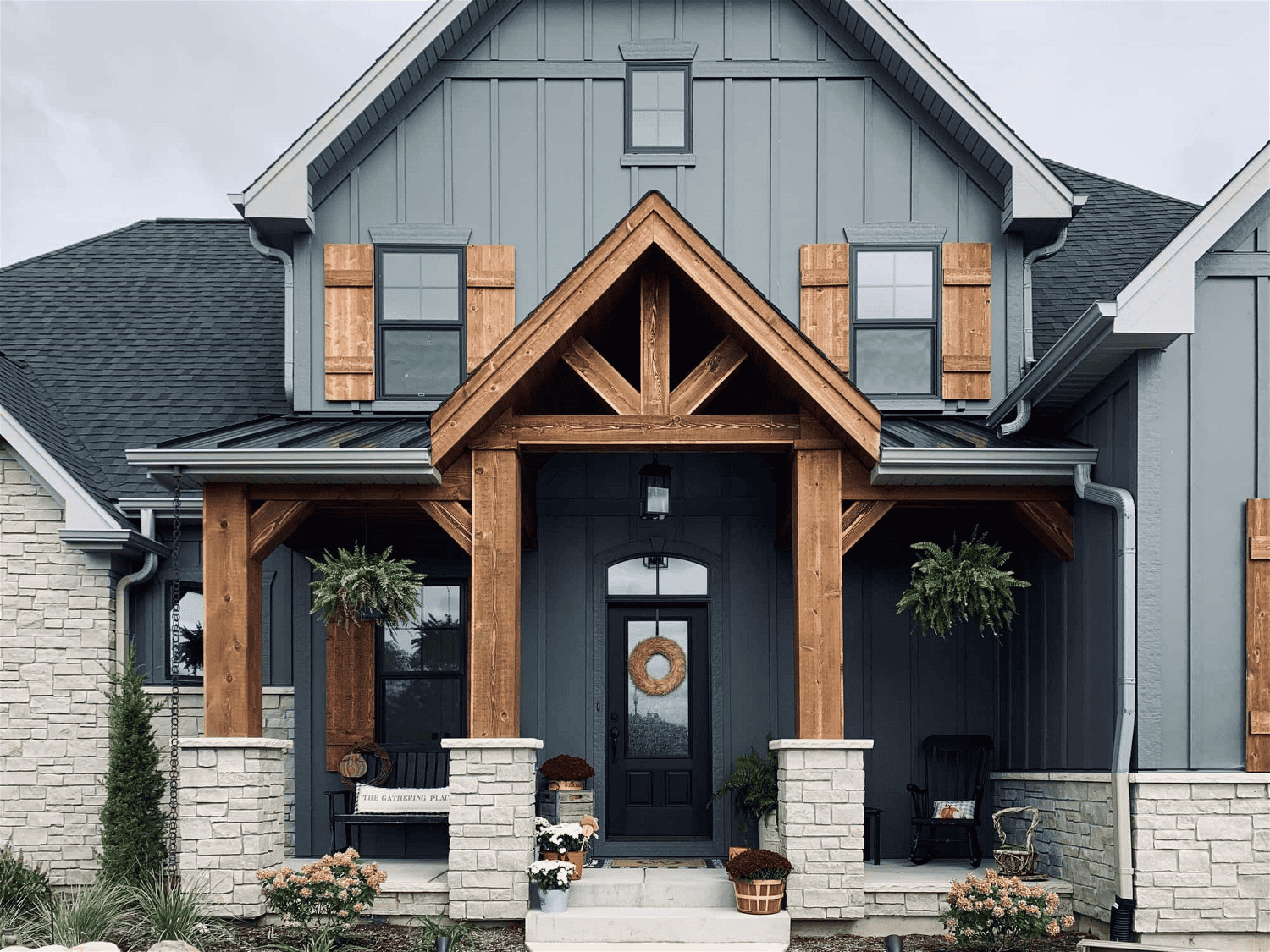
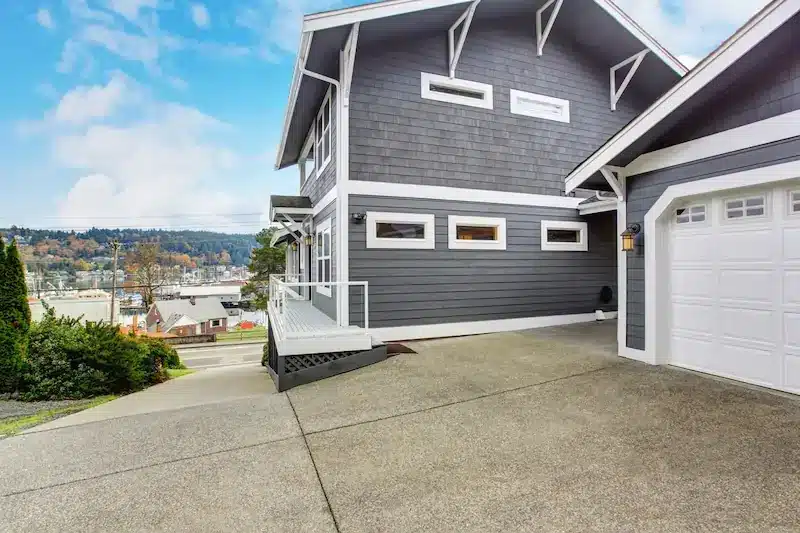
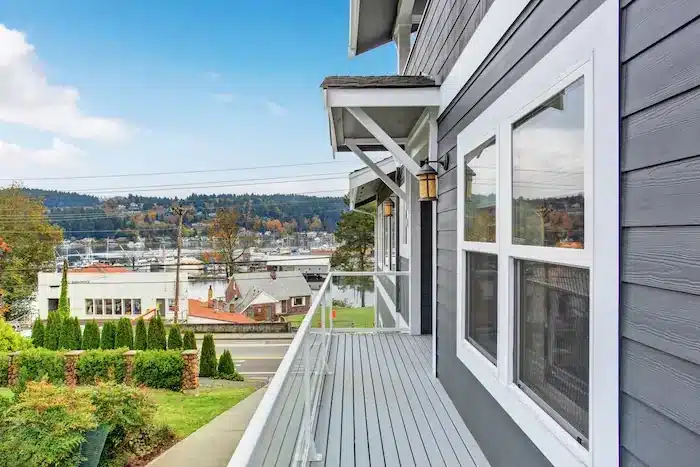
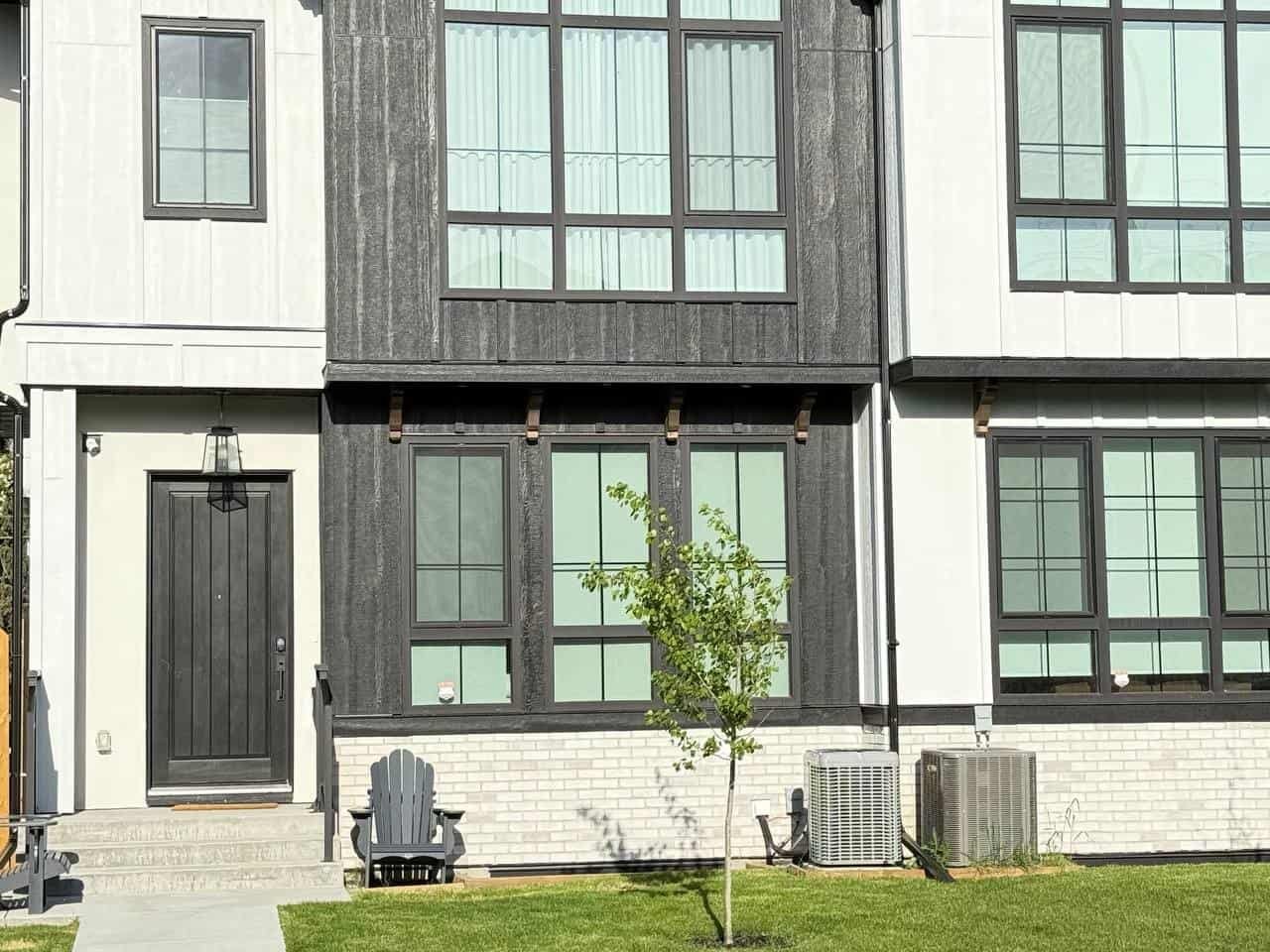
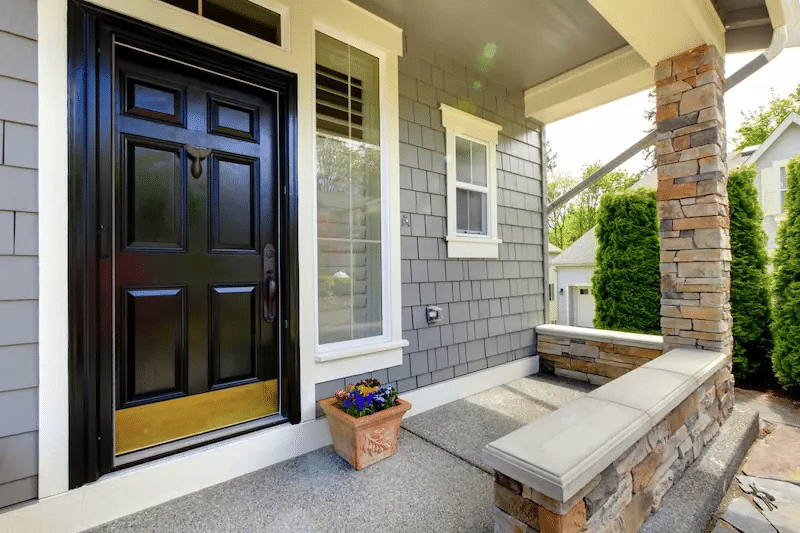
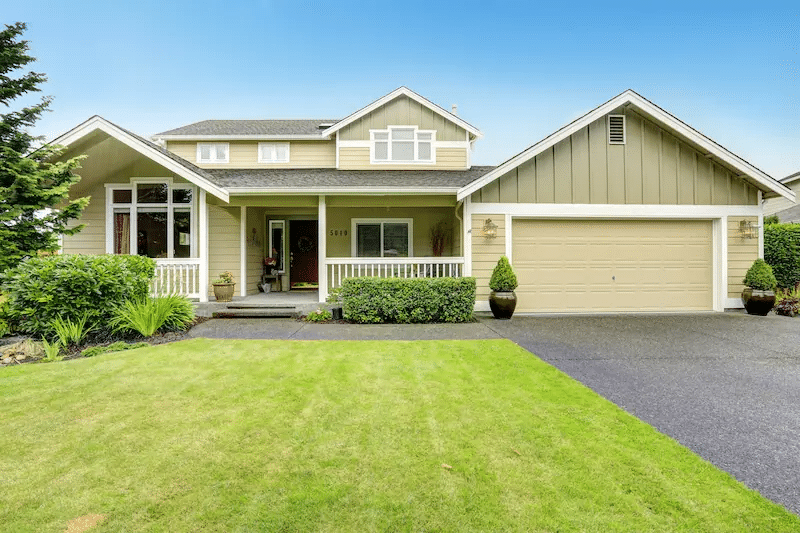
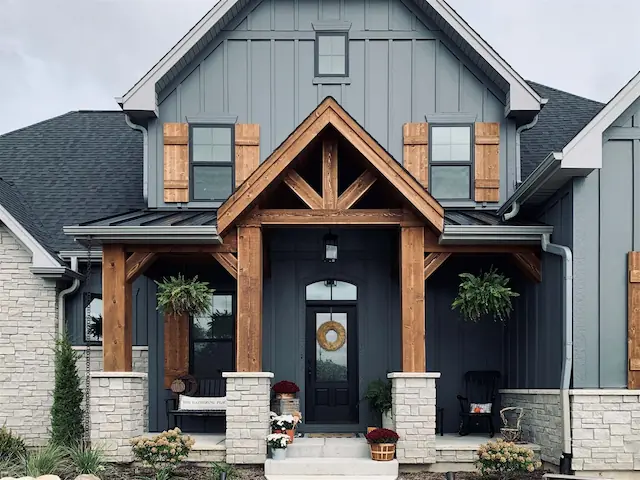
Just because this product is super tough doesn’t mean the look is sacrificed. Choose standard colours like white and gray, or opt for a wood finish. Style never has to come at the cost of style with James Hardie fiber cement siding.
Not sold yet? Here’s what else really makes it stand out:
- Exceptional durability in extreme weather
- The non-combustible material is fire-resistant
- Ideal for hail-prone areas due to its strong impact resistance
- Long lifespan (often 50+ years)
- Low maintenance compared to wood siding
- Premium appearance with high-end finishes and wood-grain textures available
Choosing Your Hardie Board Siding: What You Need to Know
-
Colour is crucial
Cement board siding is a commitment. A more than 50 year one. So, you need a colour you can live with for the long haul. If you’re choosing something a little bolder, like red or blue, make sure you really, really, love it.
-
Consider adding insulation
Fiber cement has a lot of great properties, but it’s not actually insulated. When you’re planning your siding choice, it’s a good idea to factor in an insulation base for added energy efficiency.
-
Get matchy-matchy
If your home has a traditional style already, you’ll want to match the siding type to it. The same goes for modern homes. Choose the shingle version for more rustic appeal, or have the siding installed vertically to keep the modern aesthetic going strong.
-
Check the quality
Not all cement or concrete siding is created equal. Named after the man who discovered this unique material combination, James Hardie siding has been used in construction since the 1980s. As a cement board siding pioneer, the company has had more than 40 years to perfect its siding craft and offers warranties to increase the value. The bottom line: make sure you get genuine Hardie board, not a replica.
-
Only work with certified, local installers
As with many home improvement projects, the finished result is only as good as who installed it. That’s true with concrete siding, too. It can be finicky, requiring precision cuts with specialized tools, accurate spacing, and proper fastening. Opting for a certified installer will also keep your warranty valid.
What Does James Hardie Fiber Cement Siding Cost?
The reality is – budgets are a major factor when choosing your home’s new siding.
Fiber cement siding prices will directly depend on your individual project. The range is generally between $10 and $12.75 per sq ft. Straightforward, in-town projects with standard materials are more likely to be on the lower end. Intricate designs and long commute times will increase the labour cost to install Hardie siding, and therefore the overall cost.
So, is Hardie siding worth the money? With great durability and an industry-leading lifespan, we certainly think so.
How Much is Hardie Board for a 2000 sq ft House?
Putting this range into real terms, in Calgary, expect the cost to be between $20,000 and $25,500. That’s installed. And to add further perspective, on the spectrum of prices, that puts Hardie board just above vinyl and much cheaper than engineered wood and aluminum siding.

What is the downside of James Hardie siding?
Like anything, Hardie plank siding isn’t perfect. To get the full picture, these are the potential downsides:
- Higher upfront costs than the most popular siding – vinyl.
- The Hardie board siding installation process is nitpicky and labour-intensive due to the product’s weight.
- It can absorb moisture and deteriorate if improperly installed.
Does mold grow on a Hardie board?
Generally, no. Cement siding is mold and mildew-resistant. But if mistakes are made during the James Hardie installation and moisture gets in and stays in, mold can grow. To avoid this, do a check for any moisture spots seasonally.
Can water get behind Hardie board siding?
Yes, water can get behind the siding, but that’s usually only the case due to failures of other materials, like caulking, flashing, or leaving unsealed edges.
Does Hardie board crack?
Most commonly, cracking happens when it expands, but there isn’t enough space to do so. Although very rare, it can also crack if the paint fades and you haven’t chosen a factory-painted finish. The fading exposes the siding to more heat from the sun, which can cause cracking.
How to Install James Hardie Siding
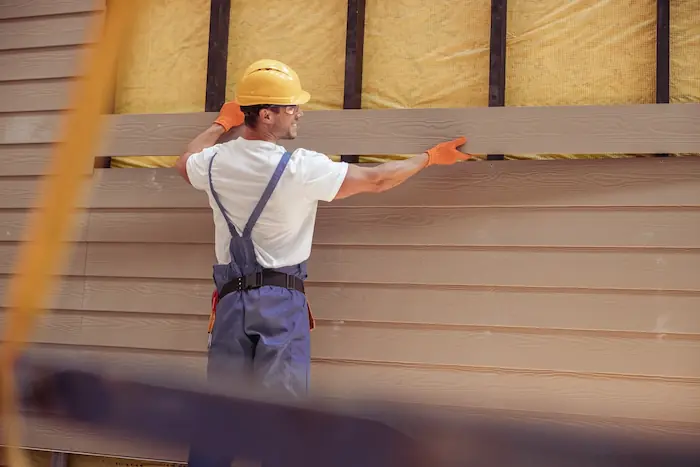
Because of the weight and precision required, it isn’t exactly DIY-friendly. Luckily, our team of professionals can do the Hardie plank siding installation, but if you’re curious how it works, here’s the simple version:
- Prepare the wall surface by removing old materials. We always need a flat and debris-free base.
- Add a weather barrier to provide extra moisture protection.
- Install flashing and trim, which is critical for water control. Unfinished edges quickly lead to water problems.
- Cut panels to the perfect size.
- Affix the starter strips with precision. They set the tone for the entire process by establishing a level starting point.
- Fasten the panels using precise spacing and a pneumatic tool for added security. We also make sure the seams are staggered to improve the appearance and longevity.
- Finish with trim and caulking to complete the weathproofing (and the look).
How Long Does it Take to Install Hardie Siding?
For the average home in Calgary, a Hardie board project is typically completed in 7 to 14 days. For comparison’s sake, vinyl goes up in as little as 4 days.
Panel systems, like EasyTrim and Lux panels, also tend to install more quickly than Hardie planks. Keep this in mind if you’re making improvements in order to sell your home, where timing is important.
How Long Should Hardie Siding Last? What’s the Warranty?
Installed correctly and maintained diligently through inspections, your Hardie plank siding should easily last for 50 years.
The warranty, though, is shorter than that. James Hardie guarantees their siding, soffits, and trim boards for 30 years. It’s also transferable if you’re selling your home. As for the ColorPlus finishes, those are under warranty for 15 years against chips, cracks, and peeling. Both the paint and labour costs are included.
All Hardie® siding, trim boards, and soffit products are backed by a transferable 30-year, non-prorated substrate limited warranty. And our ColorPlus® Technology finishes come with a 15-year limited warranty that covers paint and labor, protecting against peeling, cracking, and chipping.
Is Fiber Cement the Best Siding in Canada?
Cement board siding is certainly a great option. It’s a fantastic combo of price and durability, often with a more premium finish than vinyl, although vinyl is more affordable. Other products may be better-suited to the harshest, wettest conditions, such as aluminum longboard siding that never warps, rots, or needs refinishing.
So what’s the final verdict? Is James Hardie siding expensive? No, not really, when you evaluate the many benefits and learn that it’s only marginally more expensive than vinyl siding. If you’re ready to take the Hardie plunge, we’d be happy to discuss your options.