

 James Hardie
 Vinyl
Vinyl Cedar
Cedar AL13 covering
 Aluminum
 Metal
Metal Engineered Wood
 Lux Panel
 Longboard
 Easy Trim Quick Panel system

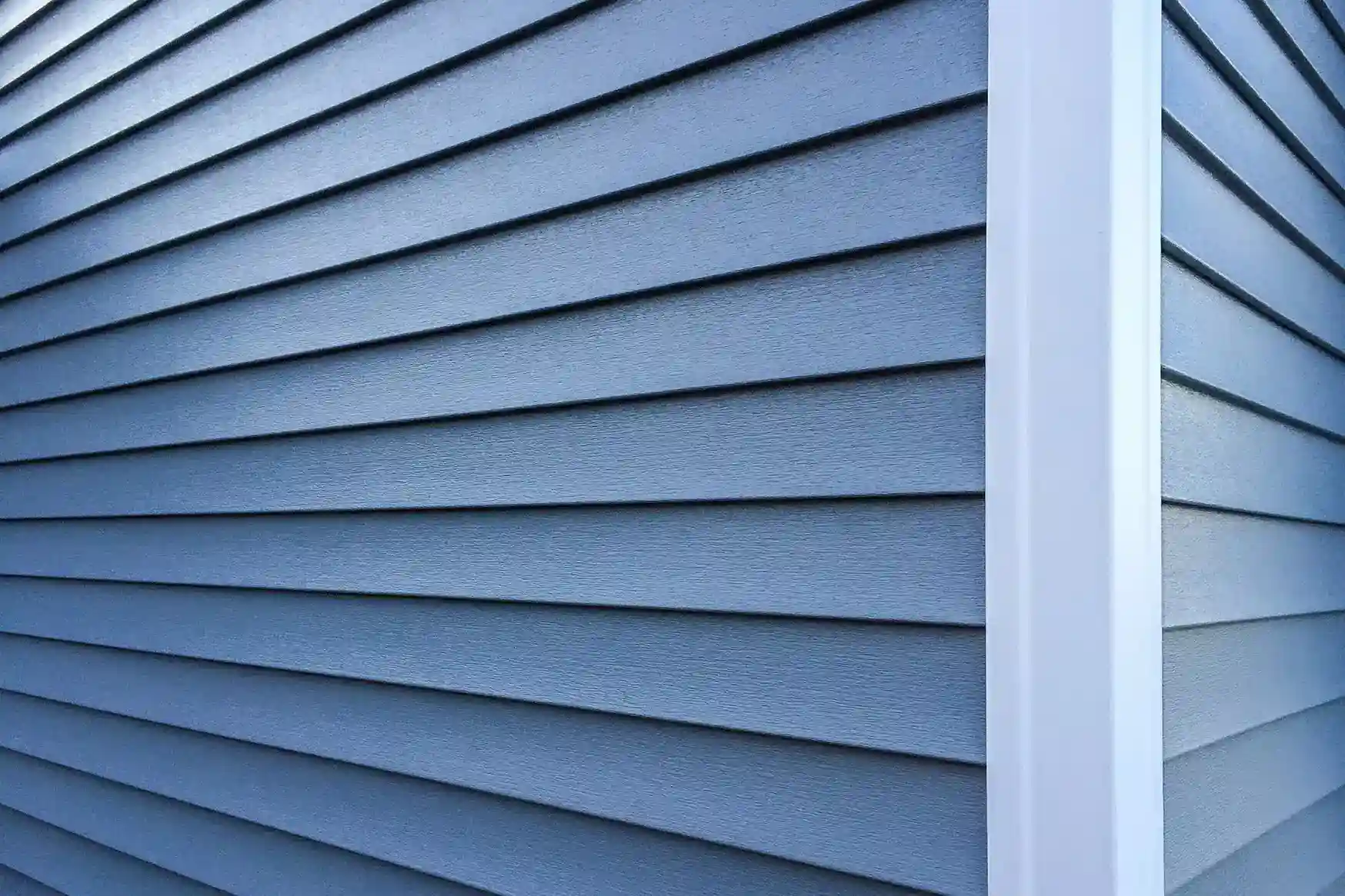
Vinyl Siding
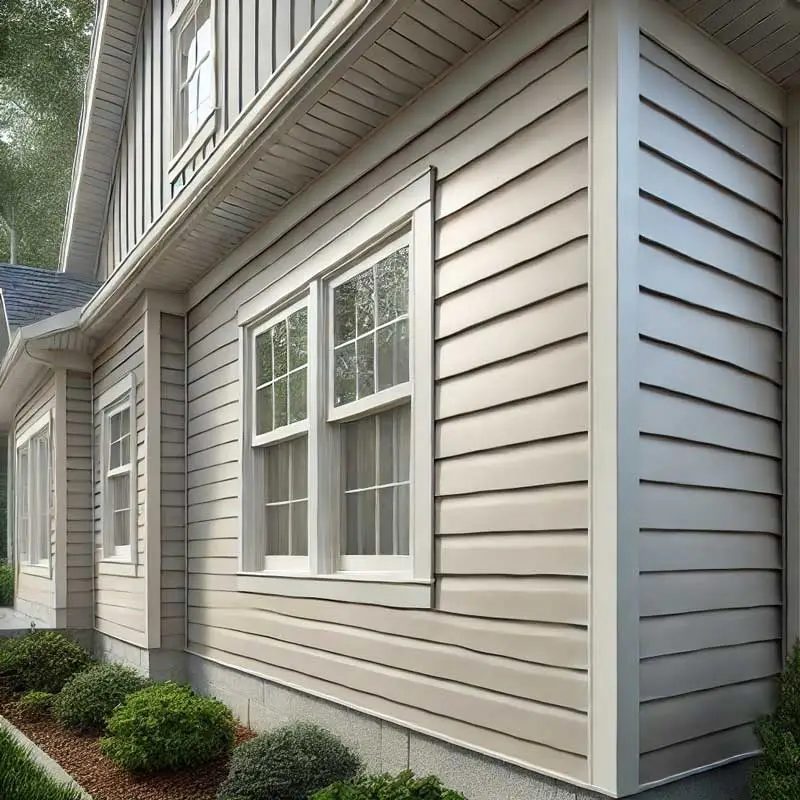
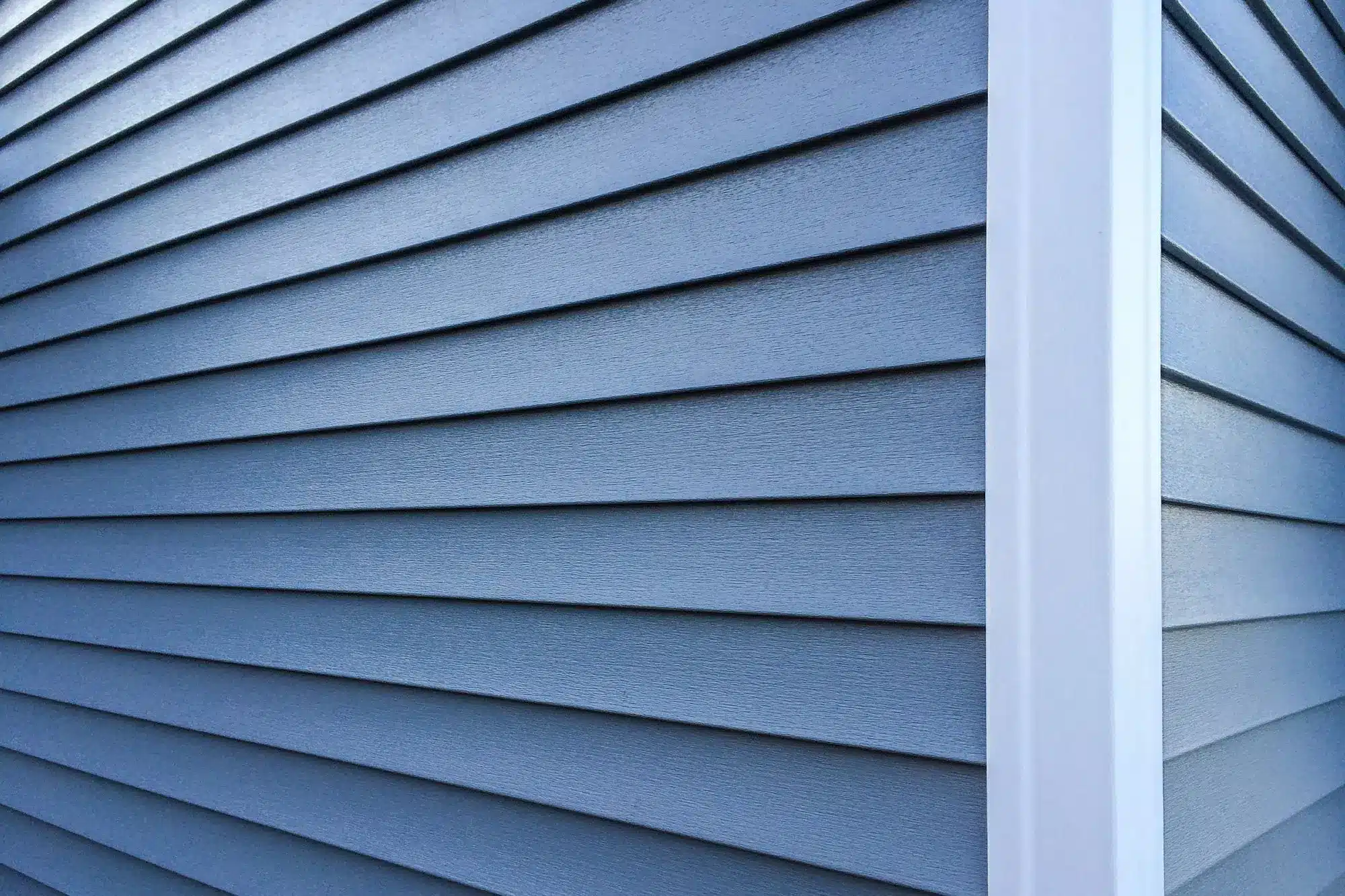
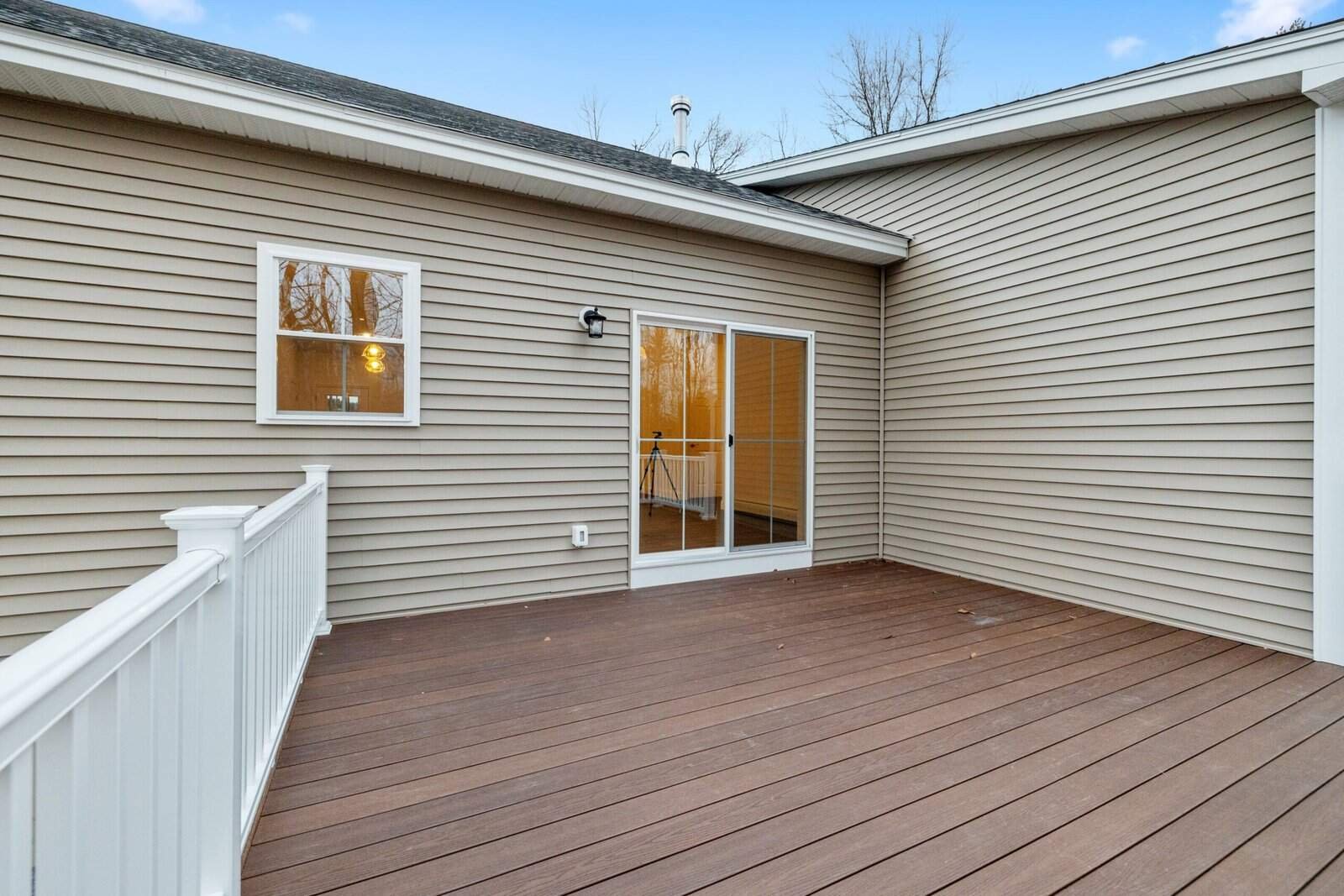
House vinyl siding has revolutionized the Canadian construction industry with its blend of affordability and adaptability. In Canada, siding must withstand extreme temperature variations, from scorching summers to bitter winters, and today’s premium materials deliver this durability while maintaining their appearance. When you choose this type of cladding, you’re selecting a material engineered specifically for our climate.
Whether you’re considering vertical profiles for a unique architectural statement or quality products for lasting performance, siding prices in Canada remain competitive for any budget.
The Benefits of Vinyl Siding

Weather-Resistance:
This material withstands Alberta's temperature swings from -40°C to +30°C without warping

Cost Efficiency:
Premium products deliver professional results at 40-60% less than traditional materials

Impact Protection:
Modern plank designs resist dents and impacts from hail up to 1 inch in diameter

Low Maintenance:
Unlike wood, siding never needs painting or sealing—just occasional cleaning

Environmental Adaptation:
This material expands and contracts with temperature changes without losing integrity

Insulation Value:
Options with foam backing add R-2 to R-4 to your wall system

Moisture Management:
Engineered drainage planes prevent water infiltration while allowing walls to breathe

Installation Flexibility:
Install siding in any season, with specialized techniques for different weather conditions

Sound Dampening:
Insulated options reduce exterior noise transmission by up to 45%

Design Versatility:
Vertical installation creates distinctive looks while maintaining performance

Color Retention:
UV-resistant compounds prevent fading, even under intense Alberta sun exposure

Wind Resistance:
When installed properly, it withstands wind speeds up to 110 mph

Types of Vinyl Siding Styles
Vinyl house siding comes in many different varieties, which are almost the same as for other types of siding. The following styles can be selected to renovate the facade with vinyl:
-
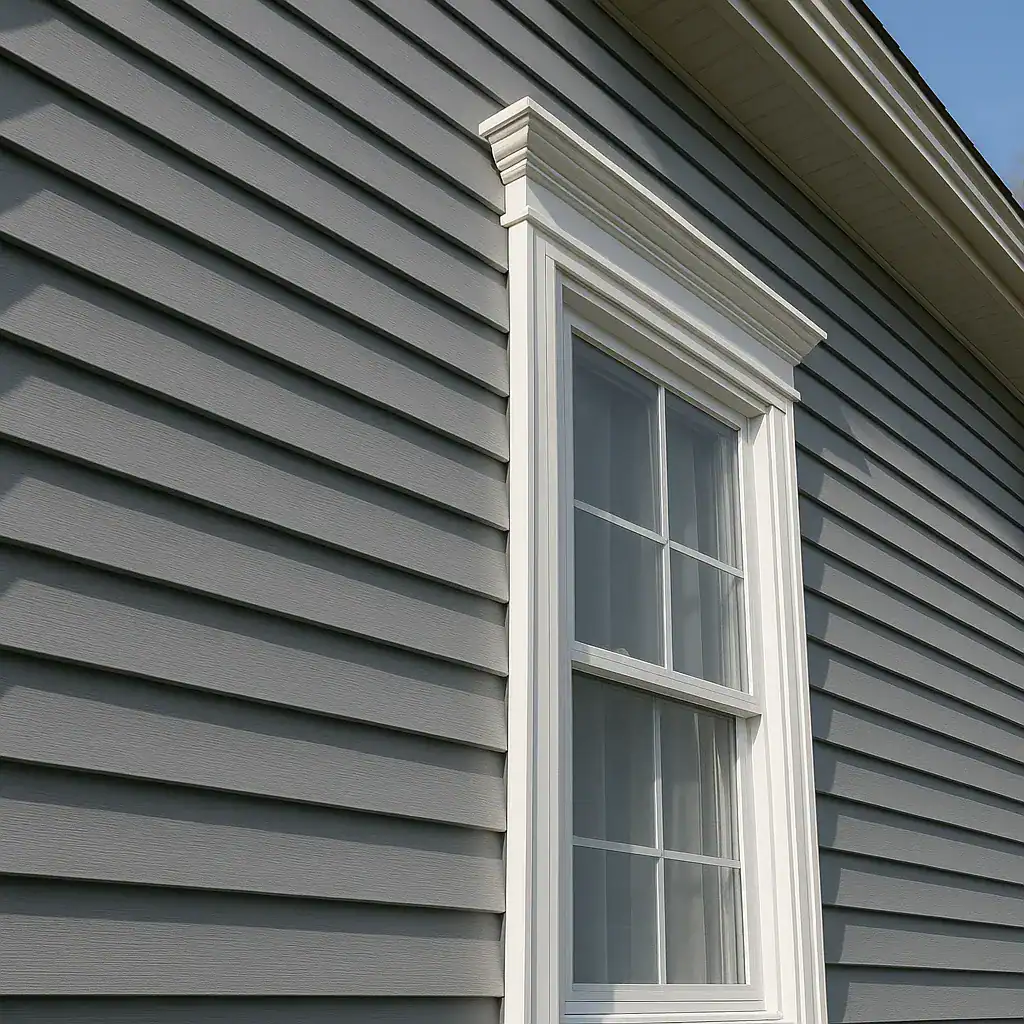
Traditional Lap Profile
The most popular style features 4-inch to 8-inch exposures that shed water effectively.
The panels include specialized weep holes and lock together with a positive engagement of at least 1/2 inch. This classic design allows for proper expansion while maintaining a tight seal against wind and rain. Proper installation around windows ensures effective water management.
 Dutch Lap Design
A distinctive style where each panel has a horizontal groove that creates enhanced shadow lines. The specialized angle helps channel water away from the wall while creating visual interest. The panels come in 6-inch and 8-inch exposures, with reinforced nail flanges every 8 inches for superior wind resistance.
Board and battenVertical designs bring architectural interest with alternating wide and narrow panels. The battens overlap the main boards by 1 inch on each side, creating defined shadows while ensuring weather protection. Vertical J-channels maintain the pattern’s visual flow.
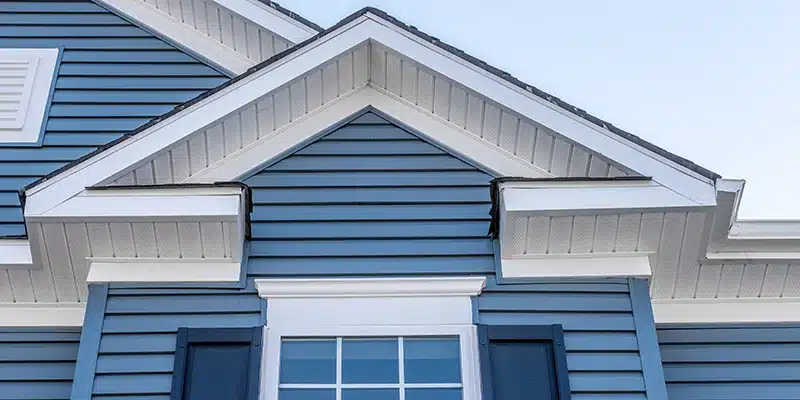
Shake and Shingle ProfilesThese panels replicate hand-split cedar with depths up to 3/4 inch for authentic shadows. Quality options in this style feature multiple unique shake patterns across each panel to avoid repetition. The bottom edges include drainage channels for optimal water management.
Beaded Seam StyleA sophisticated design featuring a rounded bead at each panel overlap, creating distinct horizontal shadow lines. Installing this style requires precise spacing to maintain the pattern’s rhythm.
Architectural SeriesPremium panels with extra-wide exposures up to 12 inches create bold horizontal lines. These advanced designs include reinforced nail hems and specialized lock systems. Proper planning ensures expansion gaps are maintained around windows and other features.
Many homeowners mix different profiles to create unique looks—like using shake panels in the gables while keeping lap siding on the main walls, or adding board and batten sections for visual interest. Each style is engineered for Alberta winters, and we’ll help you choose the right combination for your home’s architecture and maintenance preferences.
Colors
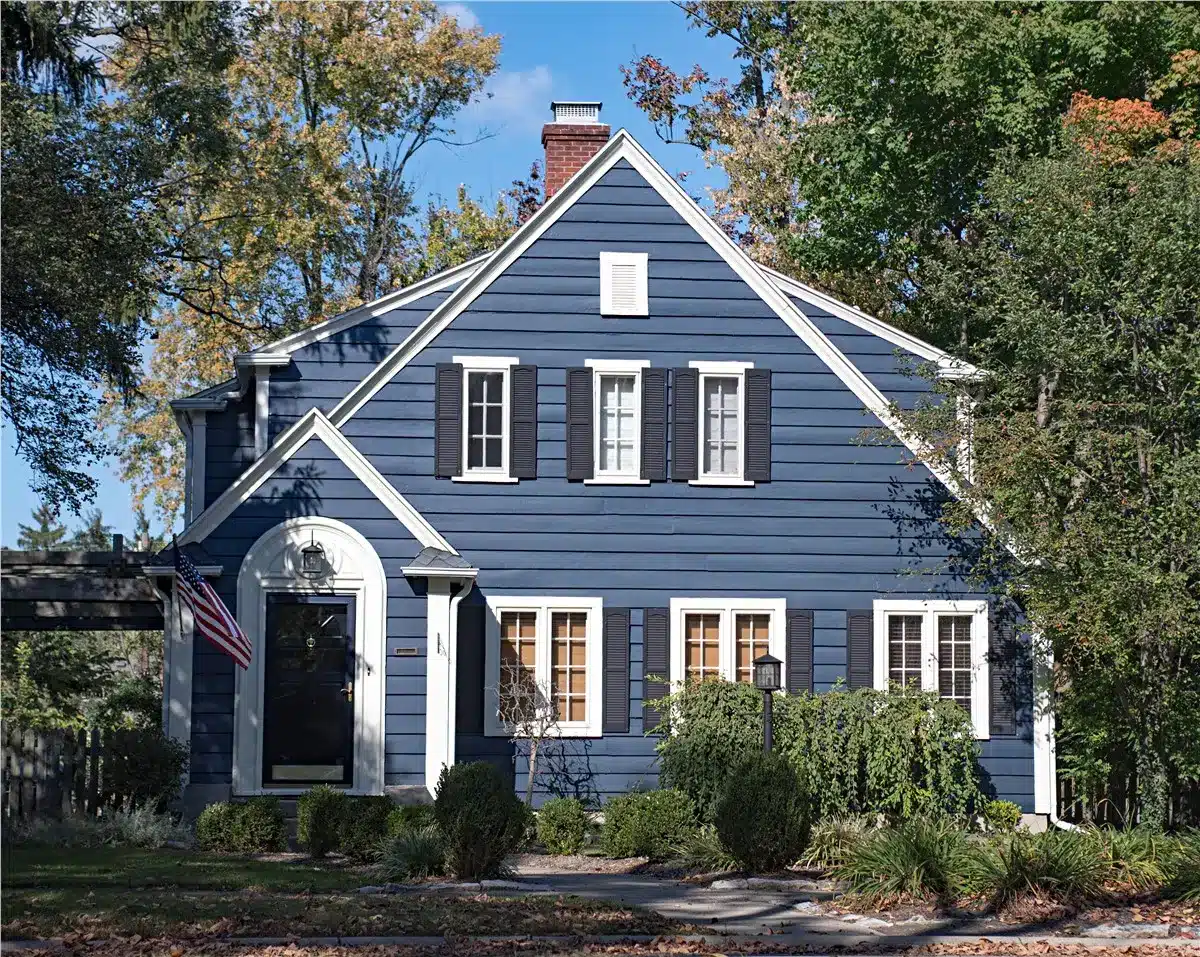
Today’s siding comes in an impressive range of colors designed to suit any architectural style. From timeless neutrals like Sandstone Beige and Harbor Gray to bold statements in Midnight Blue or Rich Espresso, premium products maintain their vibrancy through Alberta’s harsh weather.
Choose from low-gloss or matte finishes that resist fading and never need painting. Our ColorHold® UV-resistant technology ensures your home’s exterior stays fresh and vibrant for decades, backed by industry-leading color fade protection.


Amande
Autumn harvest
Azure blue
Boulder gray
Brick
Cabot blue
Cabot brown
Cabot red
Charcoal
Cherry
Cobalt
Cypress
Davinci Nordic Blue
Dusk
Evergreen
Heritage gray
Ivory
Mocha
Sunshine yellow
Weathered wood
White
Willow green
Costs of Vinyl Siding: What to Expect
Understanding costs helps you plan your exterior renovation effectively. While this material offers one of the most cost-effective cladding solutions, several factors influence the final project cost:
-

Material Selection
iDifferent grades and styles affect base pricing, with standard panels starting at $4.50 per square foot.
-

Project Scale
iLarger installations often qualify for bulk pricing, reducing per-square-foot costs.
-
Site Preparation
iExisting siding removal and wall repairs can add $2-3 per square foot to total costs.
Start at $5.00
-

Professional Installation
iExpert services typically range from $3-5 per square foot, depending on complexity.
-
Design Features
iArchitectural elements like multiple stories, bay windows, and decorative trim work require additional materials and labor.
-

Additional Components
iCosts include necessary materials like moisture barriers, insulation boards, J-channels, and finishing trim to ensure proper installation and long-term performance.
Upgrading your home’s exterior with vinyl siding is a smart, cost-effective choice. On average, vinyl siding costs between $5.00 and $10.00 per square foot, making it one of the most budget-friendly options available. For a 2,000 sq. ft. home, you can expect the total cost to range from $10,000 to $20,000, depending on the specifics of your project.
Vinyl Siding Cost
Vinyl remains the most affordable full home option, rated from minus 40 to plus 30 Celsius with hail resistance up to roughly 1 inch. Manufacturer warranties are marketed as lifetime but are prorated after about 10 years and rarely cover hail impact, so realistic planning life is 20 to 40 years.
Item Description / Use Case Estimated Cost (CAD)- Traditional lap profile Standard economy panel, the entry point for most homes $5.00 to $8.00 per sq ft
- Dutch lap profile Deeper shadow line for a more decorative appearance $5.50 to $8.50 per sq ft
- Board and batten Vertical profile for farmhouse and accent elevations $6.50 to $9.50 per sq ft
- Shake and shingle accents Cedar texture look for gables and feature areas $8.50 to $12.00 per sq ft
- Architectural wide panel series Premium wide exposures with reinforced locking systems $8.00 to $11.00 per sq ft
- Insulated vinyl upgrade Foam backed panels adding roughly R2 to R4 and rigidity +$1.00 to $3.00 per sq ft
- Starter, J channel and utility trim Required accessory set, typically 15 to 25% of material cost $3.00 to $6.00 per linear ft
- Corner posts and transitions Matching outside and inside corners $7.00 to $12.00 per linear ft
- Vinyl or aluminum soffit and fascia Roofline package matching the walls $8.00 to $25.00 per linear ft
- Housewrap and moisture barrier Standard weather layer behind the panels $1.00 to $2.00 per sq ft
- Rigid insulation board add on Continuous exterior insulation under the siding $1.75 to $3.25 per sq ft
- Tear off and disposal Removing and hauling away existing cladding $1.00 to $3.75 per sq ft
- Window and door detail package J trim, flashing and finishing at openings $120 to $240 per opening
- Two storey access premium Added labour and staging for a full two storey home +15% on wall labour
- Whole home reference Typical 1,800 sq ft two storey home, mid spec, all in $10,000 to $18,000
Portfolio
-
-
-

-
-
- Constant Communication
- Transparency
- Top-Notch Installation
-
-
The process of siding installation
-
 Site Assessment and Preparation
Proper preparation is crucial. The team removes existing cladding, repairs sheathing, and ensures walls are plumb. This step ensures a clean, solid substrate for optimal performance.
-
Moisture Barrier and Flashing
Installation begins with a properly lapped moisture barrier. Special attention goes to areas around windows, where flashing prevents water infiltration.
-
Trim and Starter Strip Installation
Starter strips must be perfectly level, as they determine the alignment of all subsequent rows. Corner posts, J-channels, and window trim must allow for thermal movement while maintaining weather protection.
-
Panel Installation
Panels are installed from bottom to top, maintaining proper overlaps and expansion gaps. Each panel locks firmly into the previous one while allowing thermal expansion.
-
Detail Work and Inspection
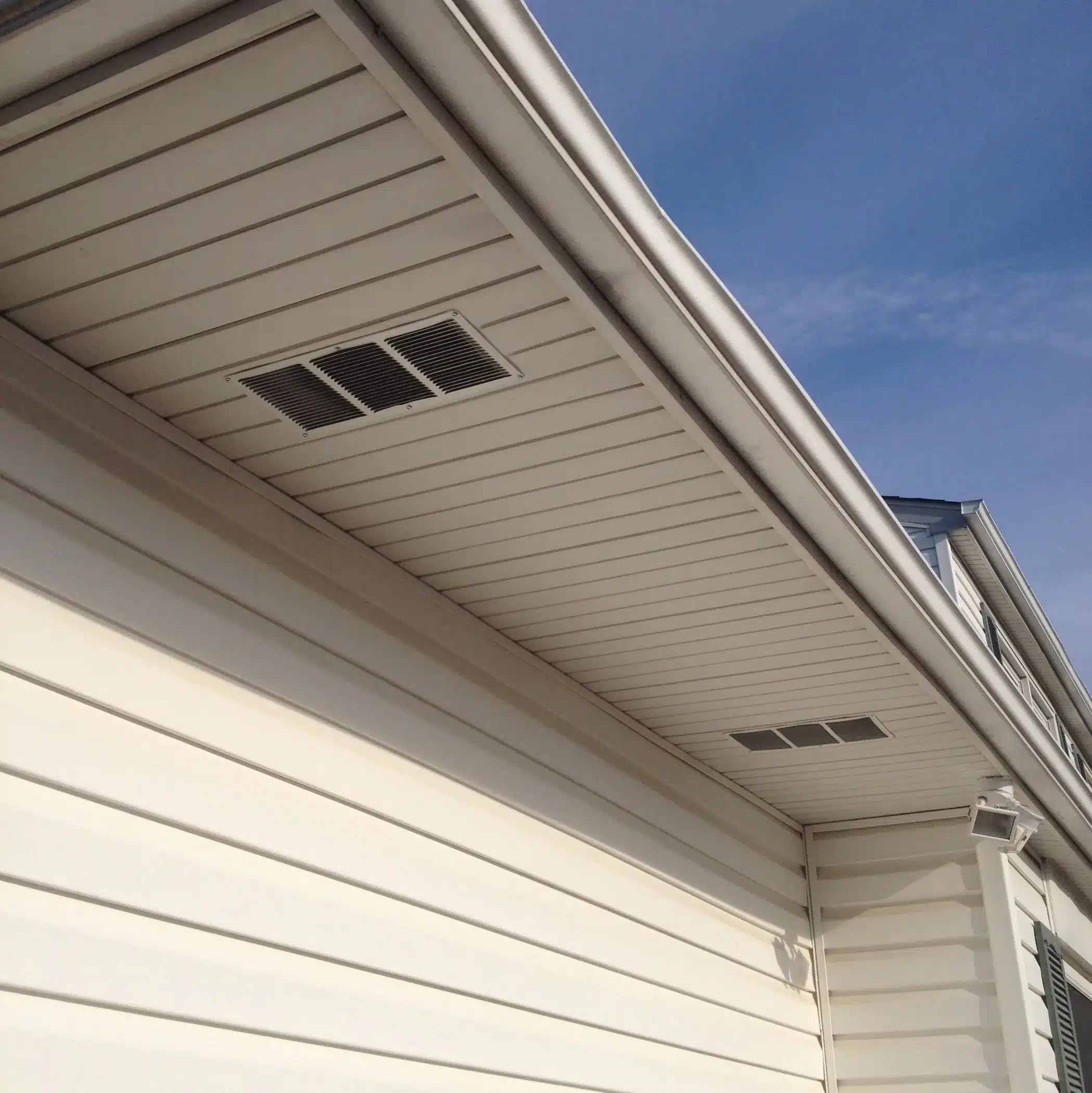
Final steps include installing soffit, fascia, and any decorative elements. Quality control ensures proper panel engagement, straight lines, and secure fastening at every point.
Vinyl Siding: Why It's the Budget-Friendly Choice for Alberta Homeowners
Since its emergence in the 1950s as an alternative to aluminum siding, vinyl siding in Canada has remained one of the most popular exterior cladding options. In simple terms, vinyl siding is made by bonding two PVC layers together to create an affordable, visually appealing, and effective weather barrier.
Why Is Vinyl a Top Siding Option in Alberta?
For many homeowners, the main reason is price. Vinyl is one of the most affordable siding materials available without forcing major compromises elsewhere. Its biggest advantages include:
- The most affordable, readily available siding on the market
- A huge range of colours and styles
- Fast installation when handled by experienced crews
- Reliable performance in Alberta weather
- Good impact resistance for the price point
- Very low maintenance requirements
- A realistic service life of 20 to 40+ years
What Is the Downside of Vinyl Siding?
Vinyl has limitations, even if they are relatively manageable. It can:
- Occasionally crack in extreme cold
- Be more prone to impact damage than stronger systems like fiber cement and metal siding
- Fade with prolonged direct sun exposure, which can make single-plank replacements more noticeable
The way to reduce these risks is proper installation. Installing vinyl siding around windows and doors correctly helps limit moisture intrusion and reduces the chance of repair issues later. Premium-grade vinyl and sensible site prep, like cutting back branches that could strike the wall, also make a difference.
The Cost of Vinyl Siding Installation
Vinyl is affordable, but the best way to understand its value is to compare it against the main alternatives:
- Vinyl: $5.00 to $10.00 per sq ft
- Fiber cement: $9.00 to $13.00 per sq ft
- AL13 covering: about $18.00 per sq ft
- Easy Trim panels: $22.00 to $30.00 per sq ft
- Metal: $9.00 to $22.00 per sq ft
- LUX panel: $18.00 to $27.00 per sq ft
- Longboard: $16.00 to $24.00 per sq ft
For a 2,000 sq ft home, the comparison becomes even clearer:
- Vinyl: about $15,000
- Fiber cement: about $20,000, or roughly $5,000 more than vinyl
- Metal: about $30,000, or roughly $15,000 more than vinyl
- Longboard: about $37,000, or roughly $22,000 more than vinyl
- Engineered wood: about $26,000, or roughly $11,000 more than vinyl
That is why vinyl siding prices in Canada stay attractive for homeowners working within a strict renovation budget.
Does Vinyl Stand Up to the Alberta Weather Test?
Yes, provided the installation is done correctly. Alberta weather is demanding, with strong sun, hard freezes, and major same-day temperature swings. When installed by experienced professionals like Family Siding, vinyl can:
- Resist moisture, rot, and warping
- Handle freeze-thaw cycles well
- Withstand strong winds when properly fastened
- Resist rust and corrosion entirely
- Benefit from UV coatings that reduce fading risk
- Avoid encouraging mold and mildew growth
- Expand and contract seasonally without cracking when installed correctly
Designing an Impressive Exterior with Vinyl
Once cost and durability are covered, vinyl becomes a design tool. Colour, texture, and installation style can all change how the finished home looks.
Colour Selection
Vinyl is available in a broad range of colours, from rich reds and modern grays to crisp whites and muted greens. Homeowners who want the look of wood without the cost can also choose wood-finish options.
Style Versatility
Vinyl works with modern, traditional, and transitional designs. The final look depends largely on profile selection and installation direction:
- Horizontal installation for a conventional lap or Dutch lap look
- Vertical board and batten for a more modern expression
- Shake and shingle profiles for a rustic look similar to cedar shake siding
- Beaded seam siding for a more decorative, premium appearance
- Architectural options with wider spacing and stronger lines for a more custom result
How Do You Install Vinyl Siding?
Our installation sequence is straightforward but detail-sensitive:
- Prepare the exterior walls by removing damaged or uneven cladding where necessary.
- Install a weather barrier to improve moisture protection.
- Add rigid foam insulation where the project calls for improved energy performance and a flatter surface.
- Attach the starter strip at the base of the wall.
- Install inside and outside corner trim first.
- Fit J-channels and trims around windows and doors carefully.
- Install the siding panels from the bottom up while staggering seams for a cleaner look.
- Fasten through the center of the nailing slots while leaving room for seasonal movement.
- Trim carefully around vents, windows, doors, and other openings.
Does Installing Vinyl Siding Automatically Mean More Maintenance?
No. Vinyl is one of the lowest-maintenance siding options available. When joints, seams, windows, and doors are detailed properly, the chance of repair is low. In practice, most homeowners only need periodic washing to keep it looking clean.
Does House Vinyl Siding Last a Long Time?
It can. Standard versions commonly last at least 20 years, while higher-end vinyl products can last 40 years or more when installed well and cared for properly.
The Main Benefits of Insulated Vinyl
Insulated vinyl is worth considering if you want to:
- Improve your home’s energy efficiency
- Increase exterior sound dampening
That can translate into lower heating and cooling use, reduced noise penetration, and a more comfortable interior overall.
When Vinyl Siding in Canada Wins Out Over Other Materials
Vinyl is usually the right fit for homeowners who:
- Need the most affordable siding solution
- Prefer low-maintenance exteriors
- Want a solid range of styles and colours
- Want to improve energy performance with insulated vinyl
- Need a strong balance of durability, cost, and curb appeal
If that sounds like your project, contact us and get started on your next vinyl siding upgrade with Family Siding.

A Company You Can Trust
At Family Siding, we are more than just installers; we are your all-in-one exterior solution.
Family Siding is ready to bring your vision to life. With our team of professional exterior renovation experts and hundreds of siding and cladding options that will fit your design aesthetic, your experience with Family Siding will be smooth and stress-free from start to finish.
Ready for a complimentary assessment or inspection?
FAQ
-

What makes vinyl siding a popular choice for homeowners?
It’s a versatile and affordable exterior cladding option known for its durability and low maintenance. It resists rotting, warping, and insect damage, making it ideal for long-term protection. Additionally, with a wide range of colors, textures, and profiles, it offers homeowners endless possibilities to enhance curb appeal while staying within budget. -
How long does vinyl siding last?
With proper care, it can last 30 to 50 years or more. High-quality products are engineered to withstand extreme weather conditions, from freezing winters to scorching summers, ensuring longevity and minimal upkeep. -

Is vinyl siding energy-efficient?
Yes, insulated options help improve a home’s energy efficiency. By reducing heat transfer through walls, they help maintain comfortable indoor temperatures year-round. Energy-efficient siding can also contribute to lower heating and cooling costs, making it an eco-friendly and cost-effective option. -
Can vinyl siding be installed over existing siding?
In most cases, yes, as long as the original material is in good condition. This approach minimizes labor costs and time while giving your home a fresh, updated look. Always consult a professional to ensure the structure is suitable for an overlay installation. -
How does vinyl siding hold up in extreme weather?
It’s designed to endure tough conditions, including high winds, heavy rain, and UV exposure. Premium options come with weather-resistant coatings to prevent fading and cracking, ensuring your home stays protected and looking its best, even in harsh climates. -
What are the style options available with vinyl siding?
Styles include traditional lap, Dutch lap, board and batten, and shake and shingle profiles. It can mimic the look of natural wood while offering superior durability with far less maintenance. With a broad selection of textures and finishes, you can customize your home’s exterior to fit your vision. -
Is vinyl siding an environmentally sustainable choice?
It’s considered sustainable due to its long lifespan and recyclability. Many manufacturers produce eco-friendly versions using recycled materials, reducing waste. Its ability to improve energy efficiency also contributes to a lower carbon footprint for homeowners. -
Does vinyl siding require a lot of maintenance?
One of its biggest advantages is its low-maintenance nature. A simple wash with a garden hose or pressure washer once or twice a year is typically all it takes to keep it looking new. Unlike wood, it doesn’t require painting or staining, saving you time and money on upkeep.
 Thank you!
We'll get back to you within 60 minutes
Our technical team consists of experienced flooring installers. Plus, you will have a dedicated Project Manager overlooking the process.
Order a callbackWe'll get back to you within 60 minutes