

 James Hardie
 Vinyl
Vinyl Cedar
Cedar AL13 covering
 Aluminum
 Metal
Metal Engineered Wood
 Lux Panel
 Longboard
 Easy Trim Quick Panel system
How to Claim Your Discount:
- Download your existing estimate.
- Fill out all the required fields.
- Submit it to us. We’ll recalculate and call you within an hour.
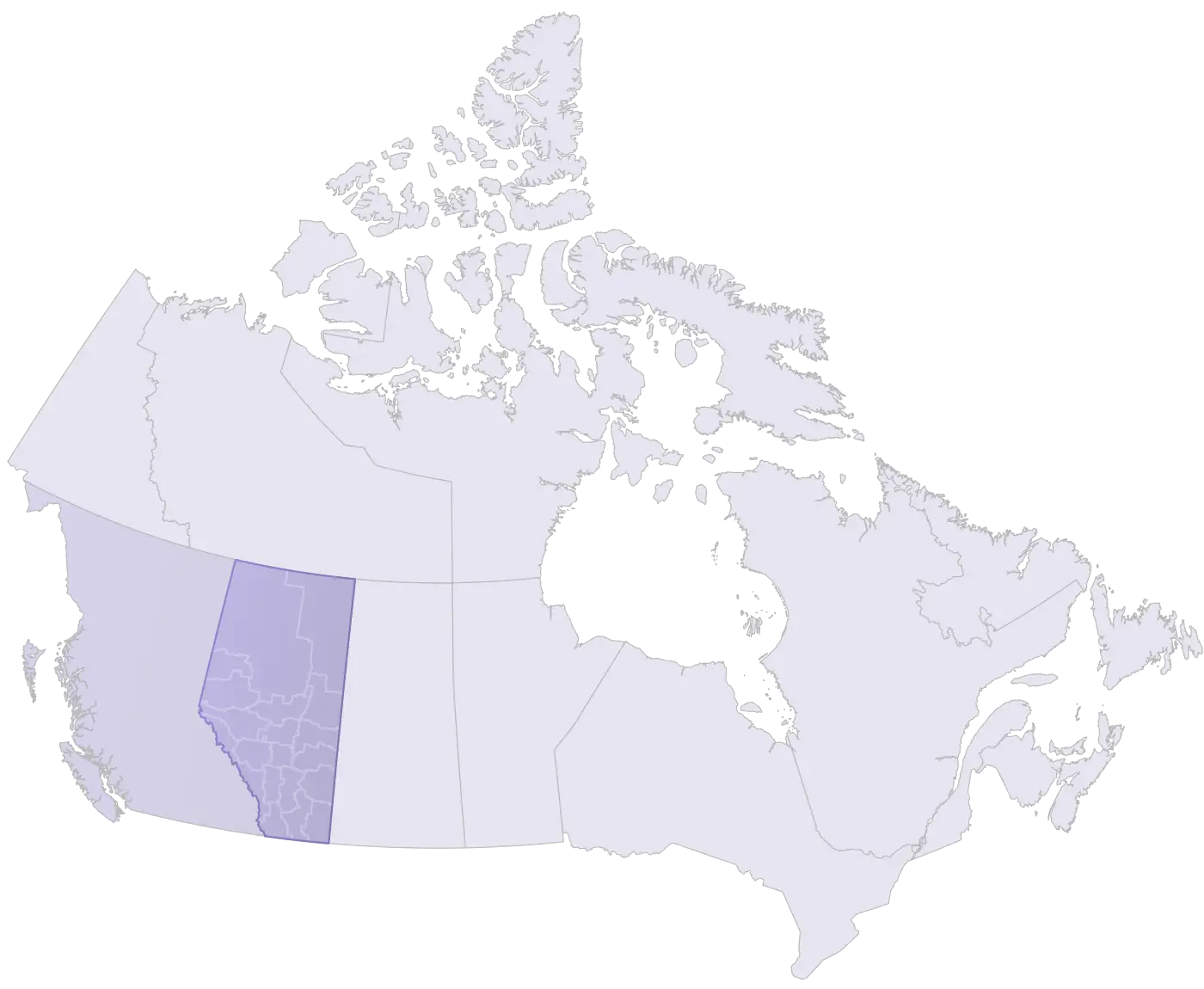
 Airdrie
Banff
Beaumont
Brooks
Calgary
Camrose
Canmore
Chestermere
Cochrane
Drumheller
Edmonton
Fort McMurray
Fort Saskatchewan
Grande Prairie
High River
Leduc
Lethbridge
Lloydminster
Medicine Hat
Okotoks
Red Deer
Rocky Mountain House
Sherwood Park
Spruce Grove
St. Albert
Stony Plain
Sylvan Lake
Whitecourt
Airdrie
Banff
Beaumont
Brooks
Calgary
Camrose
Canmore
Chestermere
Cochrane
Drumheller
Edmonton
Fort McMurray
Fort Saskatchewan
Grande Prairie
High River
Leduc
Lethbridge
Lloydminster
Medicine Hat
Okotoks
Red Deer
Rocky Mountain House
Sherwood Park
Spruce Grove
St. Albert
Stony Plain
Sylvan Lake
Whitecourt
Technically, any metal used to wrap a home is metal siding, but for our purposes, we’re referring to steel siding.
Unlike aluminum siding, which is a lighter material, and tin siding for houses, which isn’t recommended because it’s very thin,
steel offers Calgary homeowners serious resistance to impact and weather and long-lasting durability.
When you choose to install metal siding, you’re not just getting the raw metal.
Made from rolled steel panels, it’s typically galvanized. This fancy name means the metal gets treated with zinc or aluminum-zinc alloys.
Why? To prevent rust and corrosion. Primers and baked-on finishes complete the protection profile,
so metal siding is literally like armour for your home.
While there are almost too many to name, here are the highlights:
Metal siding installation does come with a few potential drawbacks.
Check out these disadvantages of metal cladding:
If you’re wondering about the process for residential steel siding installation, here’s how it goes:
While many of the same principles apply, corrugated metal siding installation does require a few extra considerations:
The verdict? Corrugated metal siding is generally simpler and more forgiving to install,
but it relies heavily on proper overlaps and exposed fasteners.
Metal siding in Canada, and Calgary specifically, is probably more affordable than you think.
Is steel siding cheaper than vinyl? Well, no.
And it’s more expensive than some alternative metal products like AL13 panels and EasyTrim;
your budget doesn’t have to stretch too much further to accommodate the metal price point of $15 per sq ft.
To further the comparison, other metal siding for houses, like Lux Panels and Longboard,
start at $15.50 and $18.50 per sq ft.
For engineered wood, the starting point is $20.50 per sq ft – considerably more than standard steel siding for houses.
Let’s get some real numbers going.
The price to install metal siding in Calgary actually ranges from $15 to $18 per sq ft.
Let’s say you have a 1,500 sq ft home,
with these metal siding prices, your total cost for metal siding will be between $22,500 and $27,000.

We start with a detailed assessment of your home or building to understand the existing wall condition, measurements, design details, and any Alberta-specific exposure to wind, snow, hail, and moisture. Based on that, we provide a clear and detailed quote with the scope of work, material options, and project timeline.

Once the project is approved, we finalize the profile, colour, trim details, and installation method that best suit your property. We also prepare the walls properly, check the substrate, and make sure the assembly is ready for Alberta’s demanding weather conditions, including freeze-thaw cycles and temperature swings.

If needed, we remove the existing cladding and inspect the wall system underneath. Any damaged areas are addressed, and the wall is prepared with the proper moisture protection, flashings, and accessories to help create a durable, weather-tight exterior system built for long-term performance
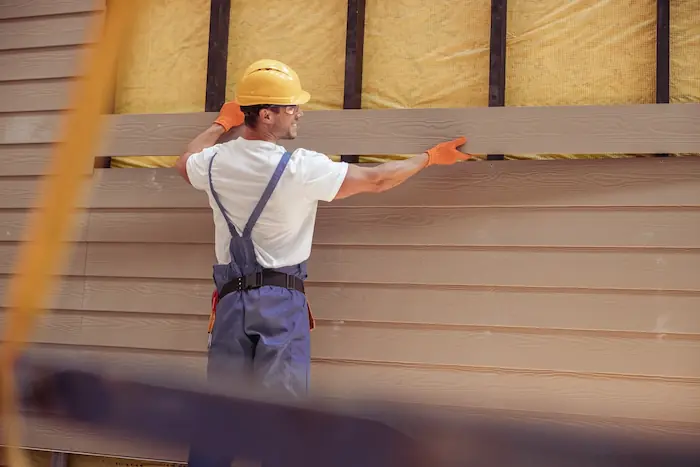
Our crew installs the metal siding with attention to straight lines, secure fastening, clean transitions, and proper detailing around windows, doors, corners, and penetrations. Every part of the installation is completed with both appearance and durability in mind, so the finished result looks sharp and performs well in Alberta conditions.

Once the installation is complete, we carry out a final walkthrough, inspect the finished work, and make sure all details are completed properly. We also clean the site thoroughly so your property is left neat, safe, and ready to enjoy.
Many homeowners think that metal home siding exclusively provides a modern look. But that’s not true at all. Steel siding installation can, of course, skew contemporary, but with the right mix of colours and metal sheathing orientation, it can work well on a traditional home, too. Just pick your style and stick to it!
The main differentiator between a modern and traditional look with metal sheet siding is whether you install it vertically or horizontally. The vertical metal siding approach adds a sleek and contemporary aesthetic while giving off an architectural feel and adding height. Horizontal panels definitely skew more traditional, with a truly classic look. Want to take things even further? Combine the two. It will instantly add visual interest and help to break up large expanses of siding.
Metal cladding siding really comes alive with contrast. Pair darker steel house siding panels with lighter trim. Or, be bold and do the opposite. The ultimate look is defined, intentional, and eye-catching. Varying the colour palette is another great option to add interest. As a word of caution, unless you’re 100% sure you’re going to love it in 20+ years, stick to bold colours as accents only. Play it safe and select the bulk of your metal building siding in neutral tones. Black, charcoal, light gray, tan, and white are popular for a reason.
When you’re thinking of installing metal siding, don’t fall into the trap that your whole house has to be covered in metal. Quite the contrary. Steel looks amazing with everything from cedar or engineered wood to fiber cement products.
At Family Siding, we make sure you get the best value without sacrificing quality. Our quotes are typically 5% lower than competitors, so you save more while still getting expert installation and premium materials.
We’re also committed to beating any existing estimate. If you already have a quote, we’ll review it and offer you an even better deal.
Luckily, the steel siding cost should be manageable in most budgets because when you find out how long it lasts,
you’ll really see the value. Take the plunge to install metal siding, and you’ll have it for between 40 and 70+ years.
Compared to vinyl, which averages 20 to 40 years, you get about twice the longevity for usually less than twice the price.
That’s why the higher cost for metal siding for residential buildings can be misleading.
Exterior metal siding is quite easy to cut, whereas materials like fiber cement siding demand high-end tools and outdoor conditions.
With metal, you do still need the right tools to get a clean finish and avoid damage to the finish,
but chances are good you already have these at your disposal.
The best tool depends on the type of cut:
Next, you need to measure and mark carefully. Then, secure the panel to minimize movement and cut slowly along your defined line.
Don’t force it – have confidence that the tool can do the work for you.
Lastly, after cutting, brush away any metal filings and smooth sharp edges.
A few expert tips:
This one is trickier, as the tools required are a little more specialized.
You can often get by with tin snips for adjustments, but the actual cut should be done with a hole saw (ideally).
Alternatives include a jigsaw with a metal blade, or the combo of a drill and step bit,
which is shaped like a cone with multiple “steps,” where each step increases in size.
Unfortunately, there’s no single number that works universally.
It will depend on factors like panel size, thickness, and the average wind exposure.
That said, to install metal siding properly, here’s what’s recommended:
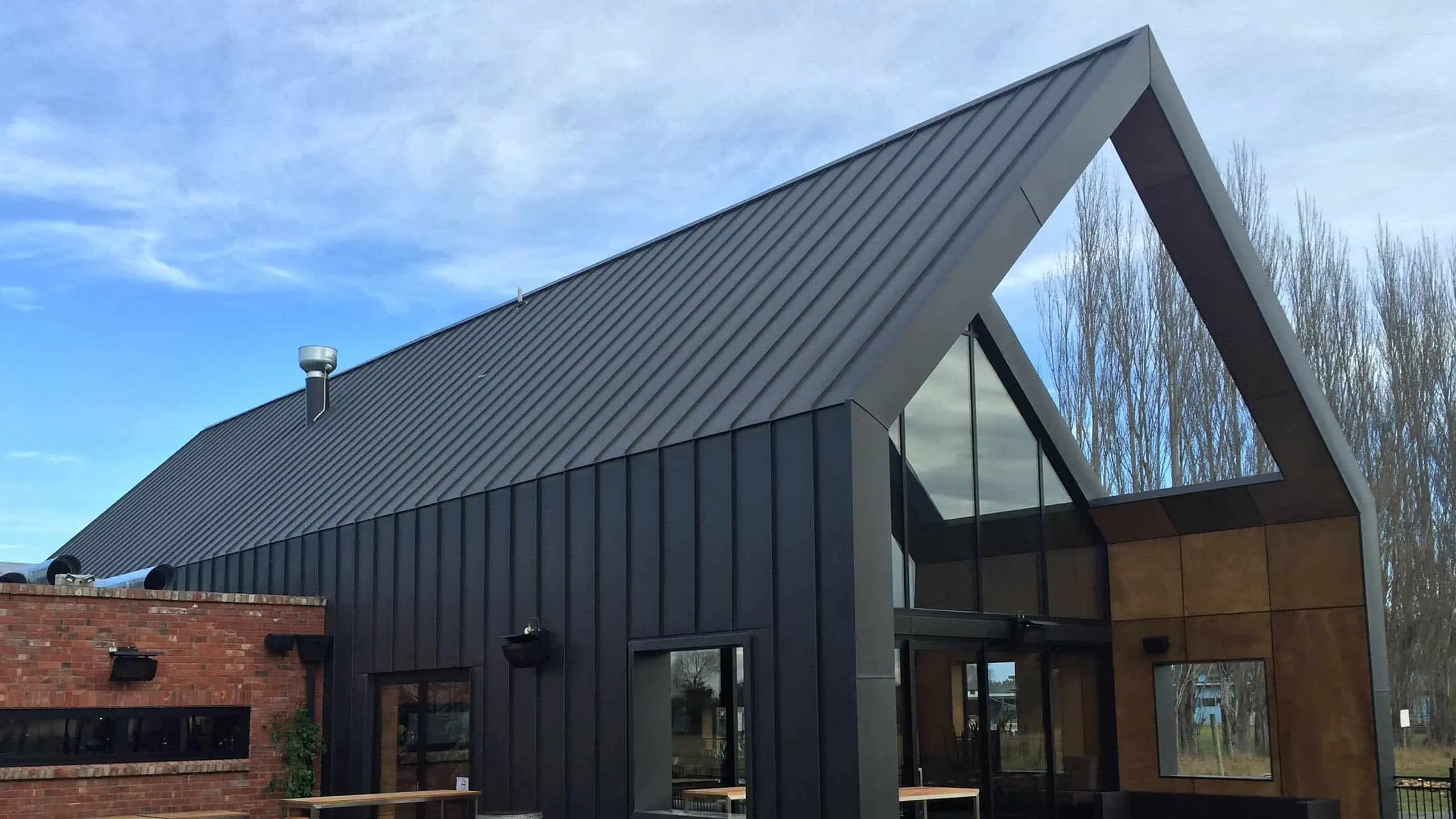
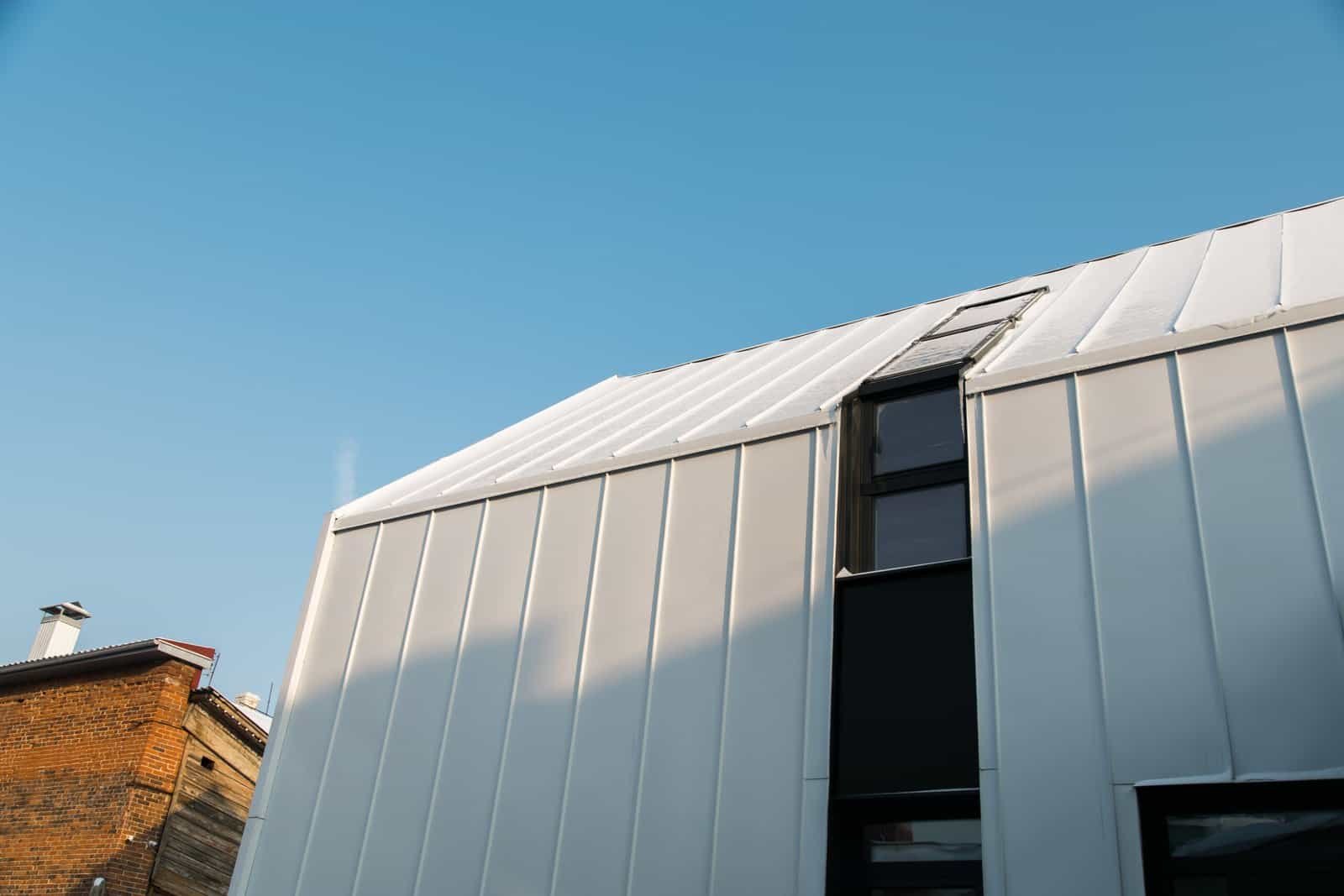
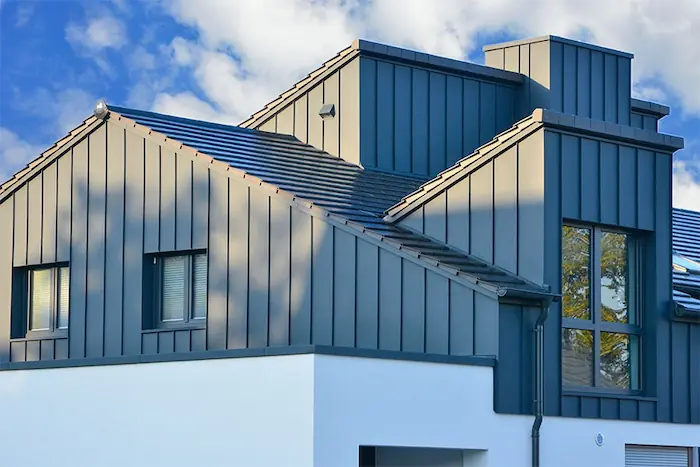
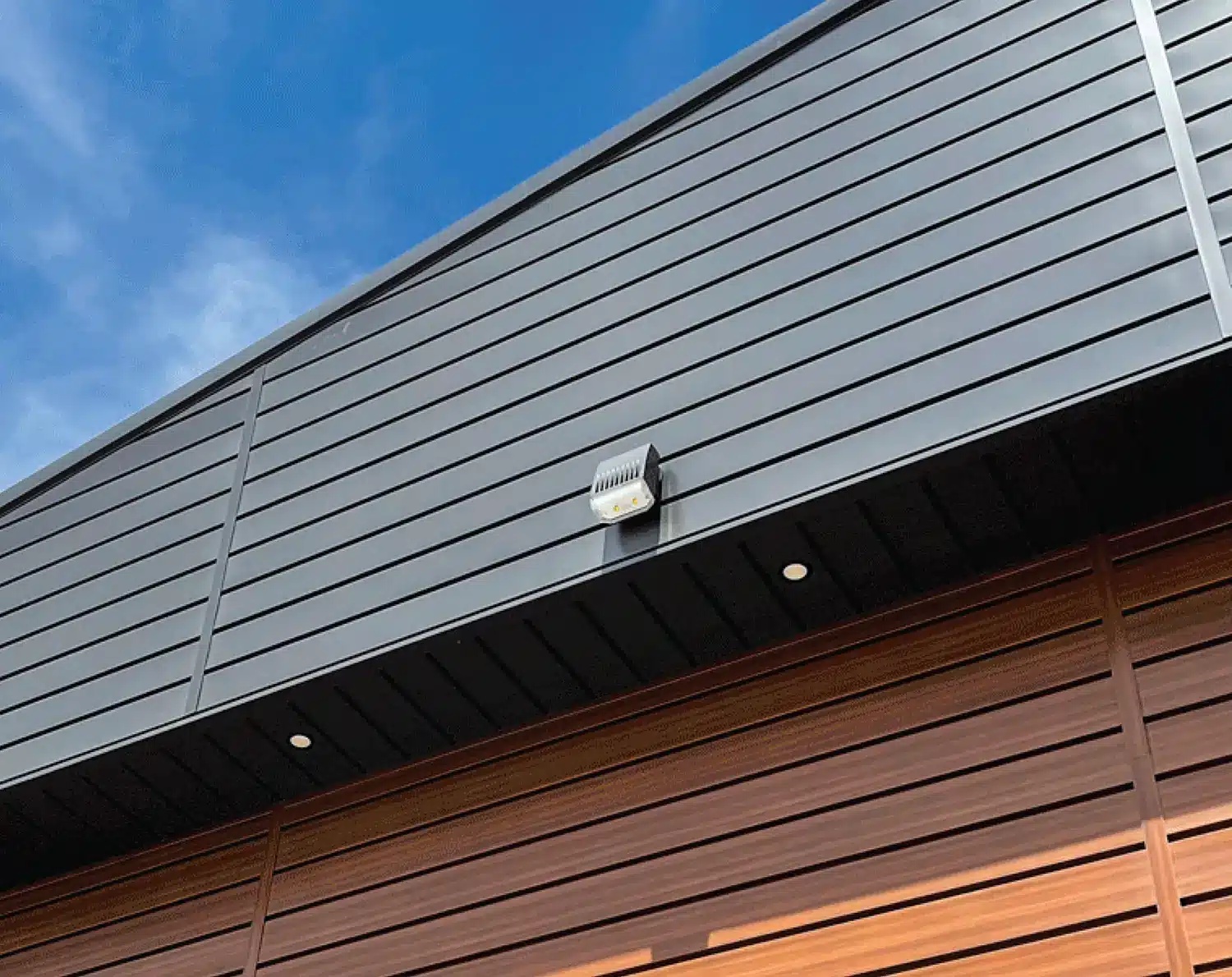
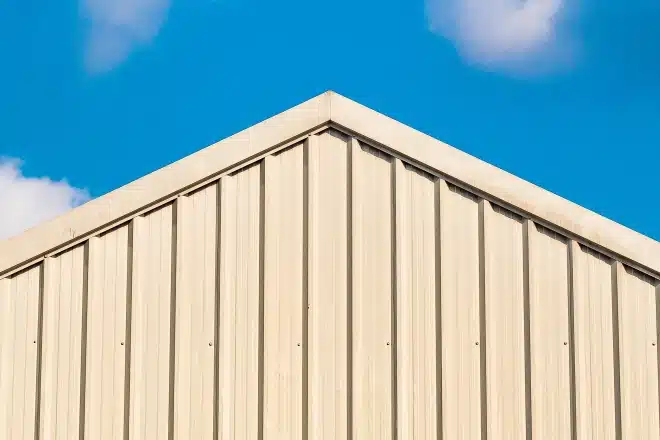
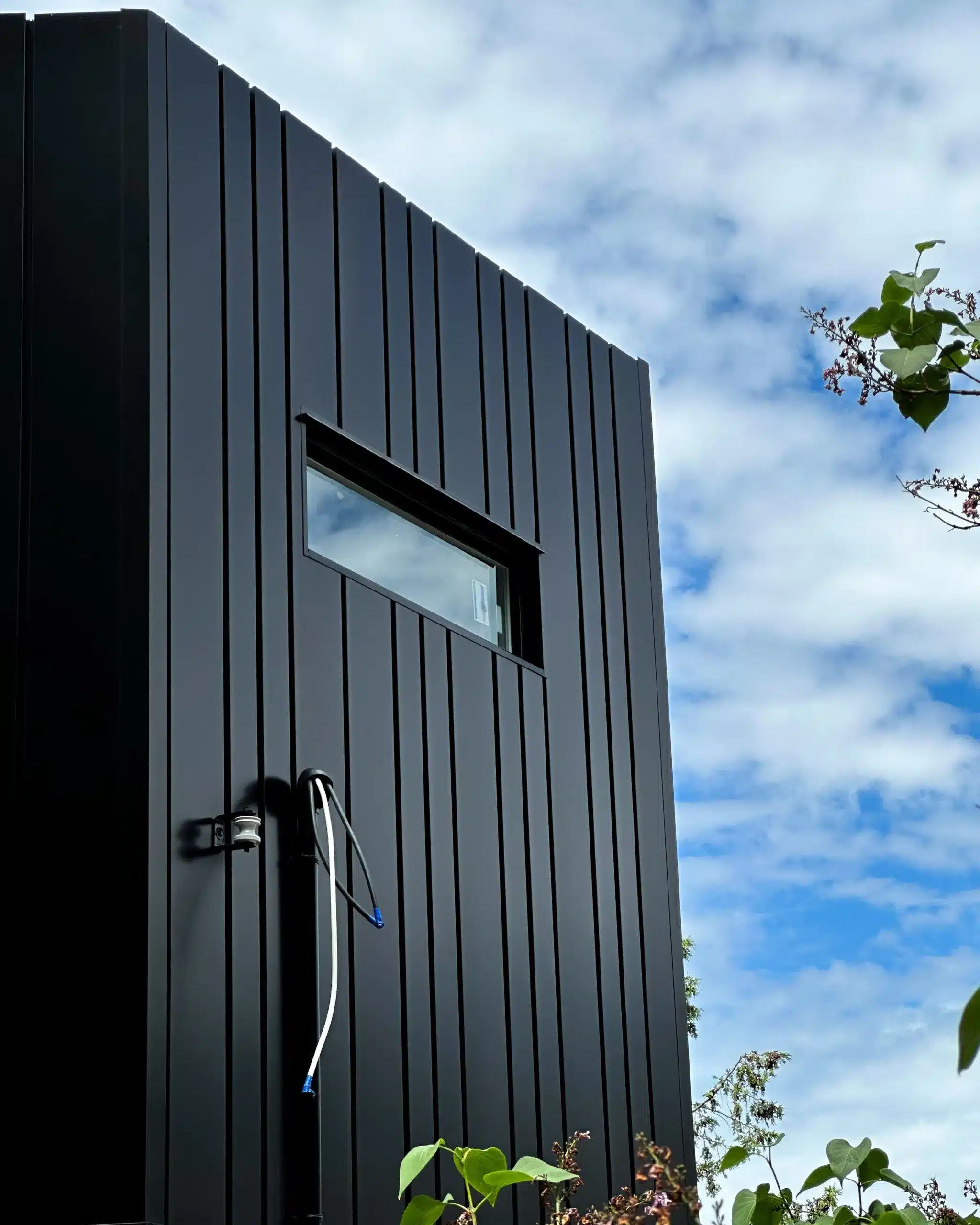
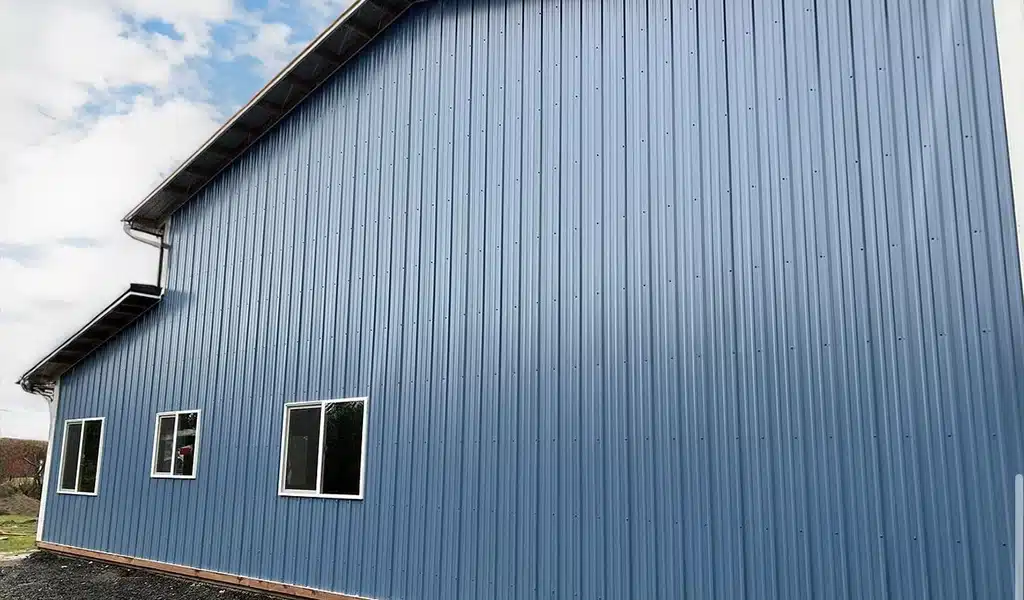
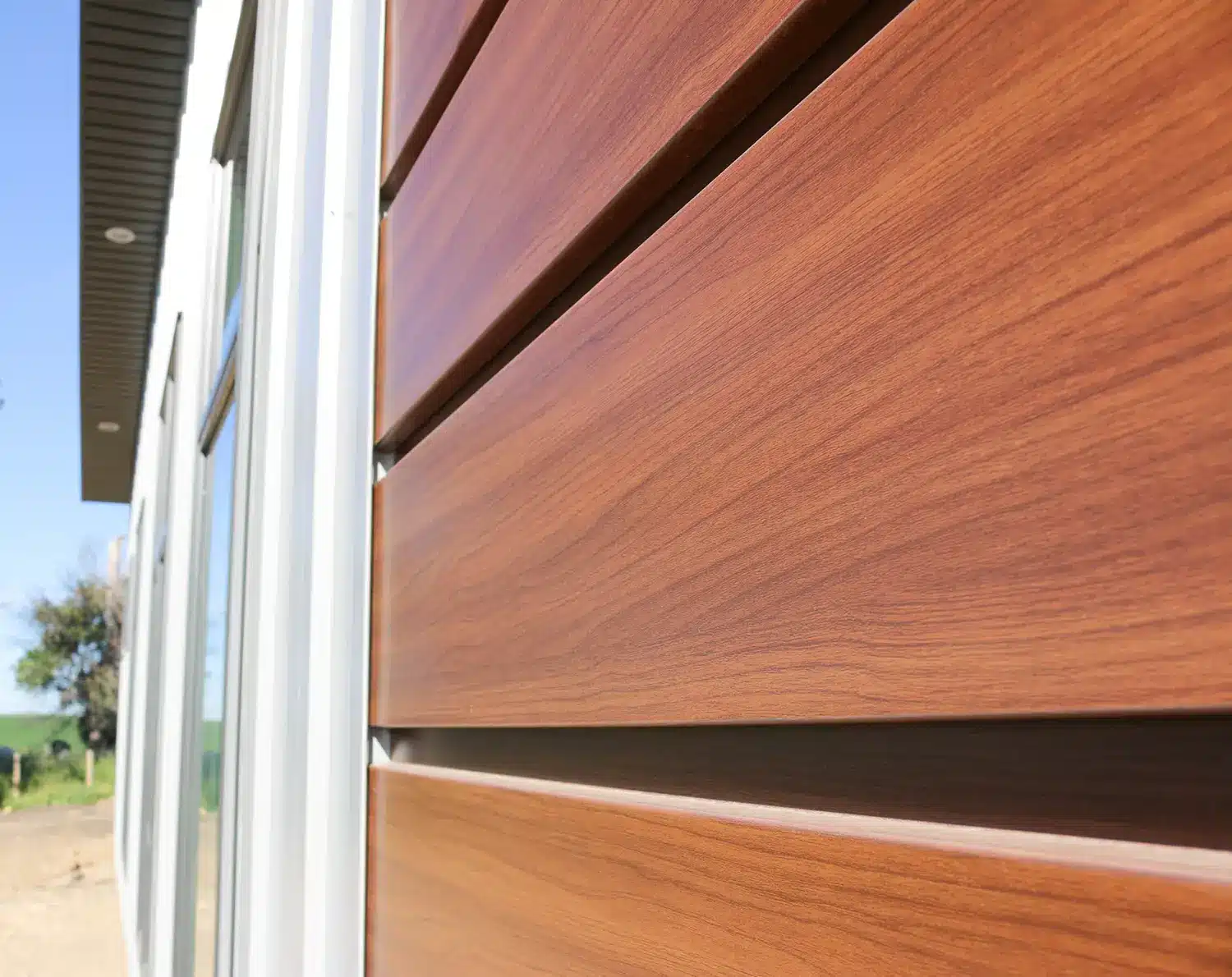
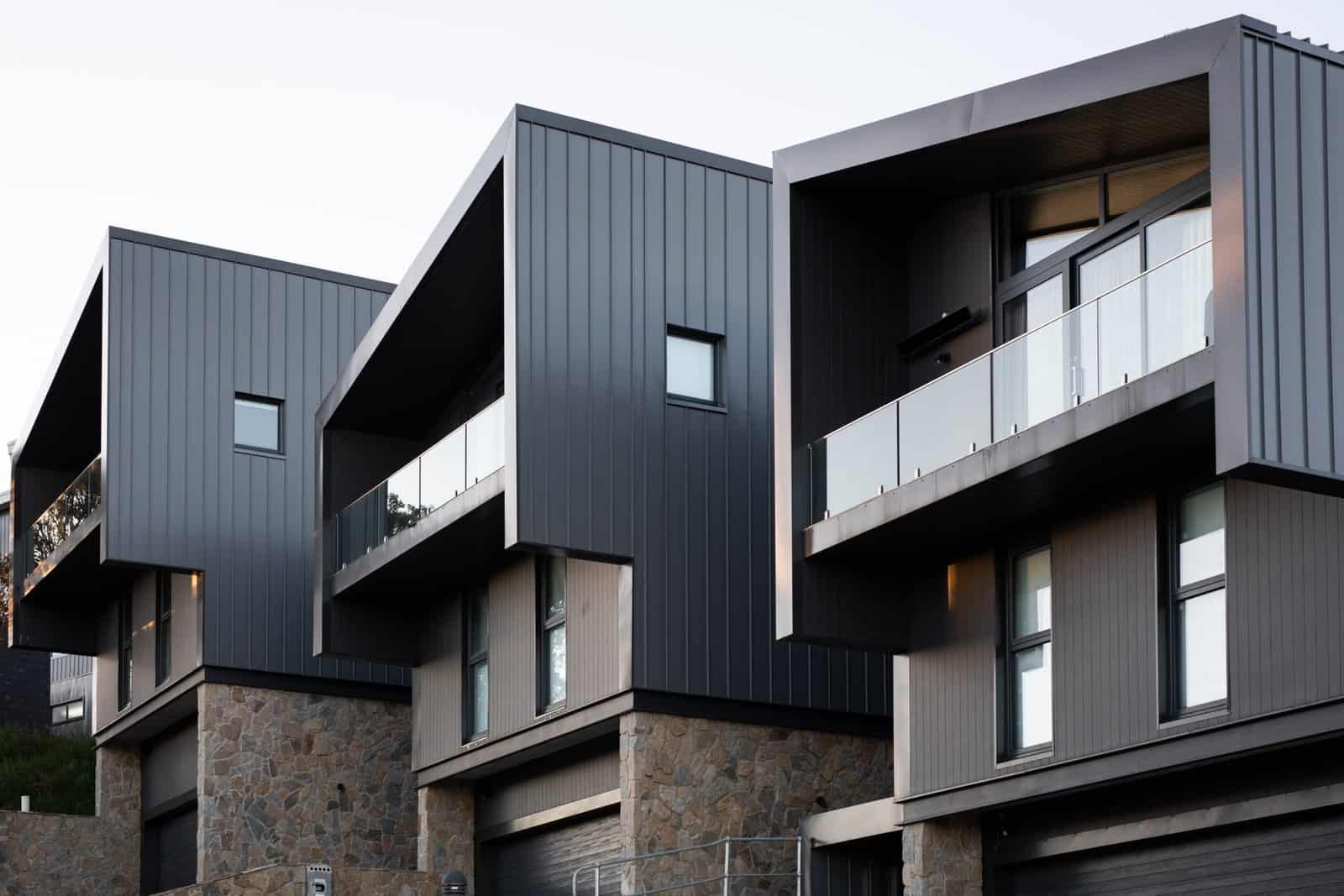

Transform your home’s exterior with a rich color selection. Choose from timeless neutrals like Granite Gray and Desert Beige, or bold tones like Manor Red or Deep Ocean Blue. Premium finishes include wood grain textures, smooth modern mattes, and metallics that maintain vibrancy through Alberta’s harsh seasons.
Every color features advanced coatings that resist fading, chalking, and scratching—ensuring your home looks fresh for years.


At Family Siding, we are more than just installers; we are your all-in-one exterior solution.
Family Siding is ready to bring your vision to life. With our team of professional exterior renovation experts and hundreds of siding and cladding options that will fit your design aesthetic, your experience with Family Siding will be smooth and stress-free from start to finish.

We'll get back to you within 60 minutes
Our technical team consists of experienced flooring installers. Plus, you will have a dedicated Project Manager overlooking the process.
We'll get back to you within 60 minutes